Giving voice: amplifying stories that are often unheard
Sarah Migliorino Cultural Perspectives | Communications
As a woman re-entering the workforce after maternity leave, I have gained a fresh understanding of what it means to give. I know the specific challenges that come with giving my best to my home, my work, and every other facet of life.
This International Women’s Day (IWD), I am reflecting on the year’s theme, Give to Gain and considering how to truly make it my own. I have the privilege of leading the Cultural Perspectives Communication Division, which provides me the perfect opportunity to make a difference in advancing women.
Placing women at the centre of change
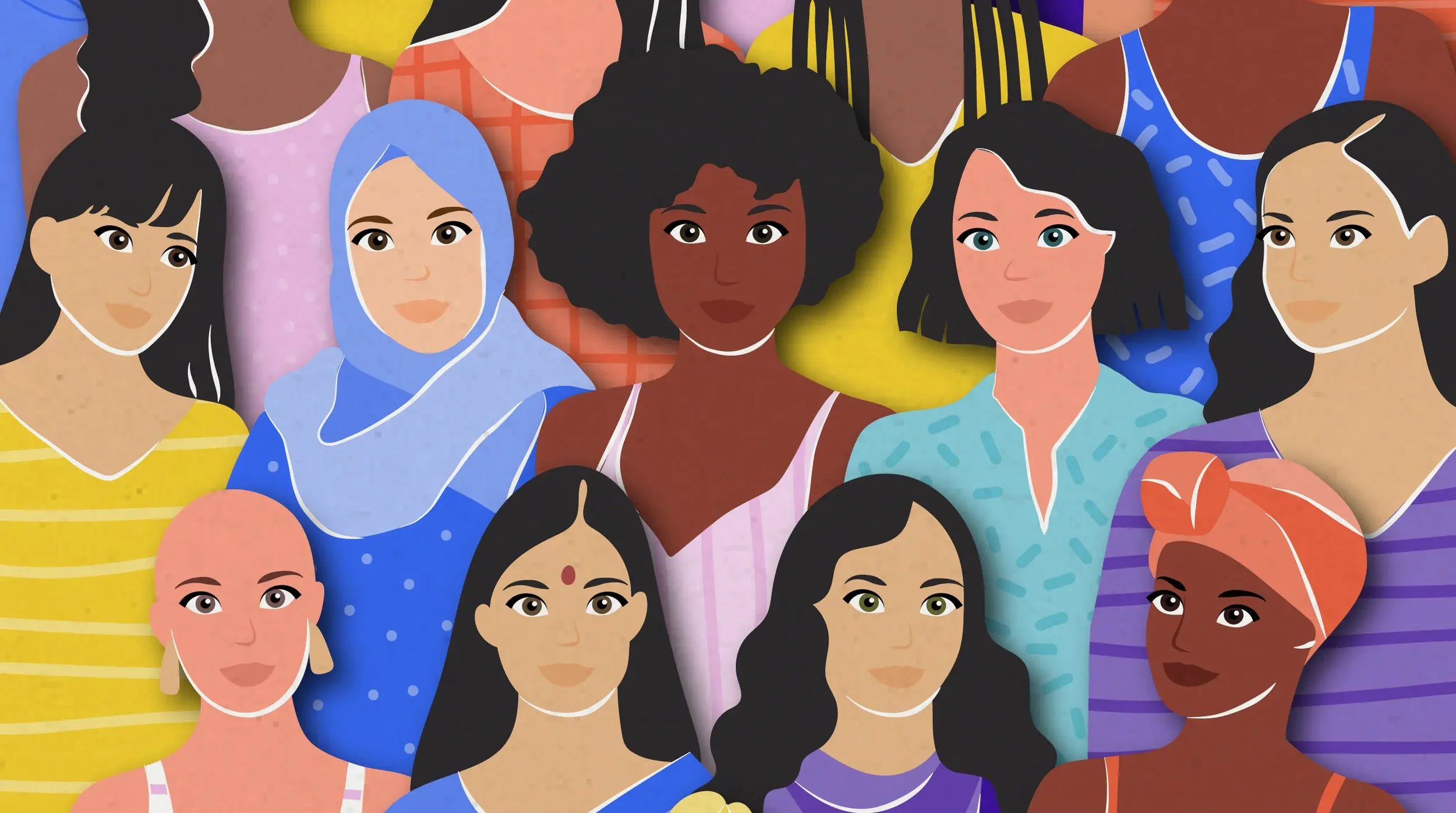
In our work, we know a fundamental truth - if we want real attitudinal and behavioural changes within culturally and linguistically diverse (CALD) communities, we must place women at the centre.
Achieving this requires more than just inclusion. We must proactively provide the space and opportunities for women to not only tell their stories but to steer the change they actually need and want.
Amplifying stories
While giving often implies a one-way action, in this context, it must be proactive. We have a responsibility to amplify stories that are often unheard—specifically those of migrant and refugee women.
Over the past few years, Cultural Perspectives has championed the social model of disability. A key example of this has been the production of videos, which have enabled people with disability and their carers to speak and be heard. In one of the videos, we hear from a mother who shares her experience of supporting her son with autism. She spoke of the negative attitudes she’s faced, issuing a powerful plea to accept the person over the prejudice. Her voice, now captured as a valuable resource, speaks to the deep love, lived wisdom, and commitment to ensuring her son lives a good life.
Avoiding the usual suspects
To be effective leaders, we must be prepared to challenge our own practices. It is often easy to reach out to the usual suspects regarding community issues. However, this approach is narrow at best and misleading at worst.
Leadership requires listening. This essentially means:
Investing in long-term relationships
Building deep trust with migrant and refugee women
Understanding that change is achieved at the rate of trust.
Recognising diversity in its true sense
The description migrant and refugee women can be limiting. To truly foster voices, we must understand the intersectional barriers each woman faces. These aren't just cultural; they can be systemic barriers impacting voice and participation.
Legal/migration status: can limit access to services and the confidence to speak out
Language and accent: non-English accents or limited English proficiency can lead to exclusion in mainstream discourse
Socio-economic status: financial barriers often impact who’s voice is the loudest
Health and disability: requires specific accommodations to ensure physical and digital accessibility.
The Impact on Communication Practice
This philosophy is core to our communication and behavioural change objectives. We cannot solve complex social issues in a vacuum:
We cannot address maternal health without listening to migrant mothers.
We cannot improve cancer screening rates without understanding the specific barriers older CALD women face.
We cannot reduce domestic and family violence without understanding the cultural contexts framing women’s experiences.
Unless we create spaces for voices, listen to them, understand their stories and appreciate the barriers they experience, our communications will never be effective.
Give to Gain
I believe that to gain progress, we must first give.
Give our advocacy to gain representation.
Give our knowledge to gain insights.
Give our relationships to gain participation.
Give our attention to gain the trust that informs lasting change.
Follow Cultural Perspectives on LinkedIn to stay up to date with our latest news and insights.