Lunar New Year 2026 – Year of the Horse
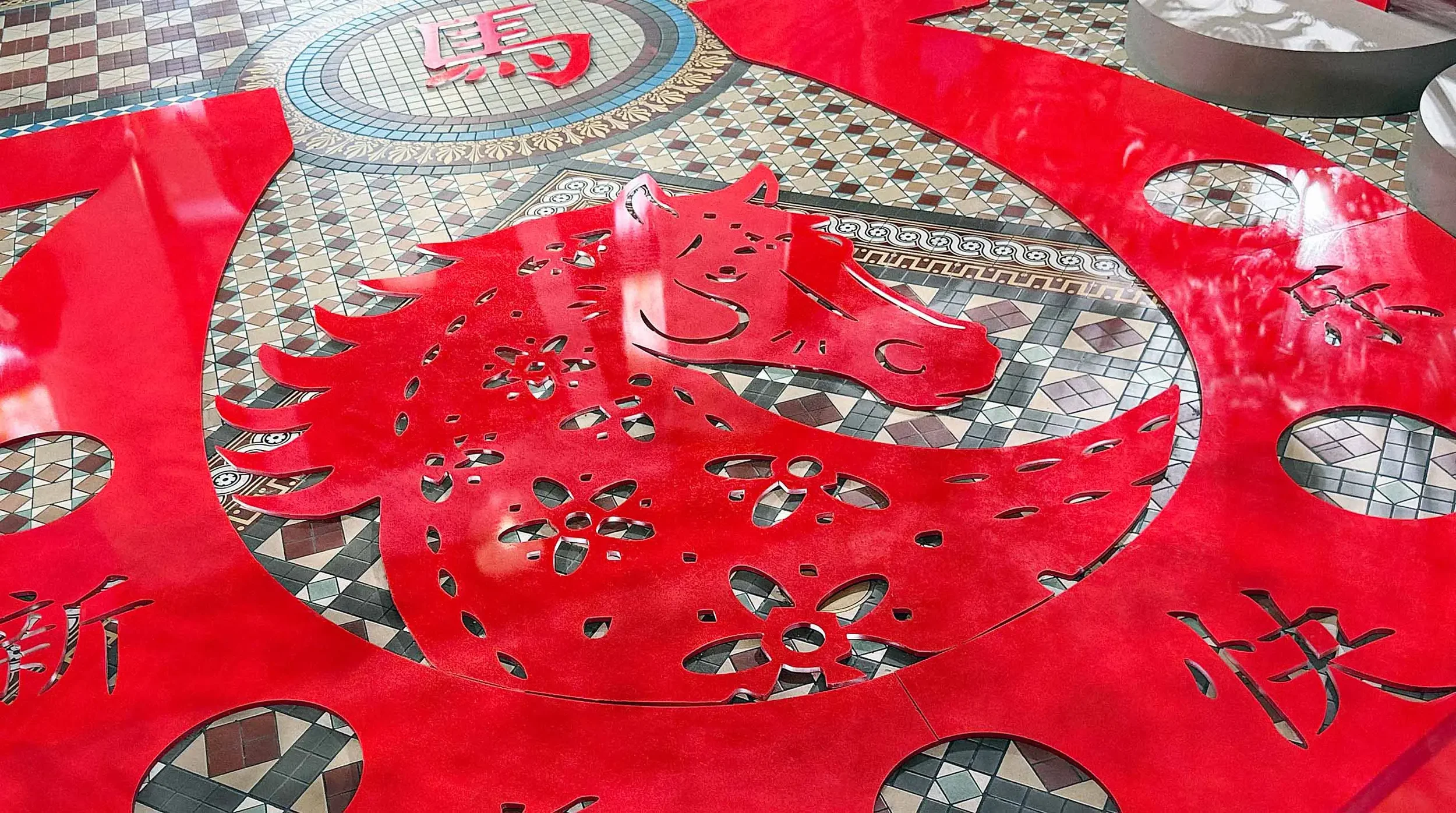
In Sydney, Lunar New Year arrives in a burst of colour and energy — lanterns overhead, the rhythm of drums in the distance and tables filled with dishes that carry family stories. For many Australians with East and Southeast Asian heritage, it’s a time to reset, reconnect and welcome the year ahead together. More than that, it’s a feeling — a moment that pulls you back to your identity, even if you’re far from where you grew up.
And honestly, everyone seems to have their own version of Lunar New Year: the dish you have to eat, the auntie who reminds you to wear red, the call home you never miss or the small traditions you only really understand once you’re older.
Many cultures, shared meaning
Lunar New Year has deep roots in Chinese culture, and over time communities across East and Southeast Asia have shaped the season in their own way — with different names, foods and customs. Vietnamese communities celebrate Tết, Koreans celebrate Seollal, and for many families, the traditions are a blend of what they grew up with and what they’ve built here in Australia.
Even with all the variety, the spirit is usually the same: a fresh start, time with family, and good wishes for the year ahead.
Traditions that bring people together
In China, many families do a full “reset” before the new year — cleaning the house, putting up Spring Festival couplets and decorating in red. Reunion dinner is the big moment, with dumplings and other lucky foods and children often receive red envelopes (hongbao) as a wish for good health and safety in the year ahead. Firecrackers and fireworks are part of the tradition too — originally symbolic, and now often simply the sound and excitement of celebration.
In Vietnam, Tết is all about family, respect and starting the year right. Homes are cleaned and decorated with flowers (you’ll often see peach blossoms or apricot blossoms). Food is central — special dishes are prepared and shared with loved ones.
In Korea, Seollal has a more family-oriented feel. Families often pay respects to ancestors, younger people bow to elders and in return receive warm advice and lucky money. A shared meal matters here too — including rice cake soup (tteokguk), which symbolises starting the year fresh.
And across the region, there are plenty of local traditions that people instantly recognise once you mention them. In Singapore and Malaysia, you’ll often see lion dances and community celebrations alongside family gatherings — and in many Chinese Malaysian and Singaporean households, the prosperity toss (yusheng / “lou sang”) is a favourite: everyone stands around the table, tosses the salad high, and calls out wishes for luck and success.
More than a festival
For many people from East and Southeast Asian communities in Australia, Lunar New Year isn’t just a public celebration — it’s a meaningful moment to reconnect with family and culture, especially if you’ve been away from home for a long time. It’s a pause after a busy year: a chance to reflect, celebrate what you’ve made it through, and step into the new year with fresh energy.
Just as importantly, it’s also a time that strengthens community — building belonging, celebrating identity and sharing traditions with wider Australian society.
From all of us at Cultural Perspectives, we wish you a year filled with good health, happiness and prosperity.
新年快乐 — Chúc Mừng Năm Mới — 새해 복 많이 받으세요