Client:
Department of Health, Disability and Ageing
Project:
Beforeplay/STI campaign
Industry/sector:
Government
Date of execution:
January 2024 - July 2024
Services:
Communication strategies, translations, community engagement, advertising and production, public relations and resource development
At a glance
Sexually Transmissible Infections (STIs) include several different bacterial, viral and parasitic infections which are transmitted through sexual contact. Despite progress in the management of STIs over recent years, the prevalence of some infections continues to rise.
To address this issue, the Department of Health, Disability and Ageing launched the STI campaign to encourage regular sexual health checks.
Project objectives
Increase STI awareness and reduce stigma within Culturally and Linguistically Diverse (CALD) communities.
Promote open discussions about sexual health, improve sexual health literacy and encourage preventive behaviours.
Assure confidentiality in testing and treatment.
Collaborate with multicultural organisations and community leaders for broader reach and acceptance.
Target audience
Young people aged 20 to 34 from diverse cultural backgrounds.
Young people aged 15 to 20 beginning sexual activity.
Heterosexual partners, particularly young women of childbearing age.
Gay and bisexual men, and men who have sex with men.
Languages and communities covered
Arabic, Cantonese, Korean, Mandarin, Punjabi, Thai and Vietnamese.
Strategic approach
Cultural Perspectives adopted a multilayered and targeted communication strategy aimed at raising awareness and engagement around STIs among CALD communities.
Creative direction and messaging
Tailored and translated advertising materials were co-designed with partners and included commissioned artwork from CALD artists to ensure cultural authenticity.
The messaging framework focused on inclusivity and relatability, with efforts to speak directly to age, language and identity-based segments, especially CALD youth and LGBTQIA+ communities.
Key activities
Media relations
Cultural Perspectives developed translated media releases in seven campaign languages, shared with a curated list of 250 multicultural media outlets, supported by a tailored media kit.
Cultural Perspectives also partnered with community radio broadcasters to deliver culturally appropriate, in-language content focused on STI awareness and prevention, specifically targeting youth audiences.
Community engagement
Cultural Perspectives partnered with AGMC and ACON Health to engage CALD LGBTQIA+ communities through a range of tailored initiatives, including:
A testimonial video on STI testing, produced in English and translated into Thai, Vietnamese and Mandarin.
A fact sheet on STI testing options for LGBTQIA+, rural and remote communities and people with disabilities.
An information session hosted by AGMC for transgender and gender diverse CALD individuals.
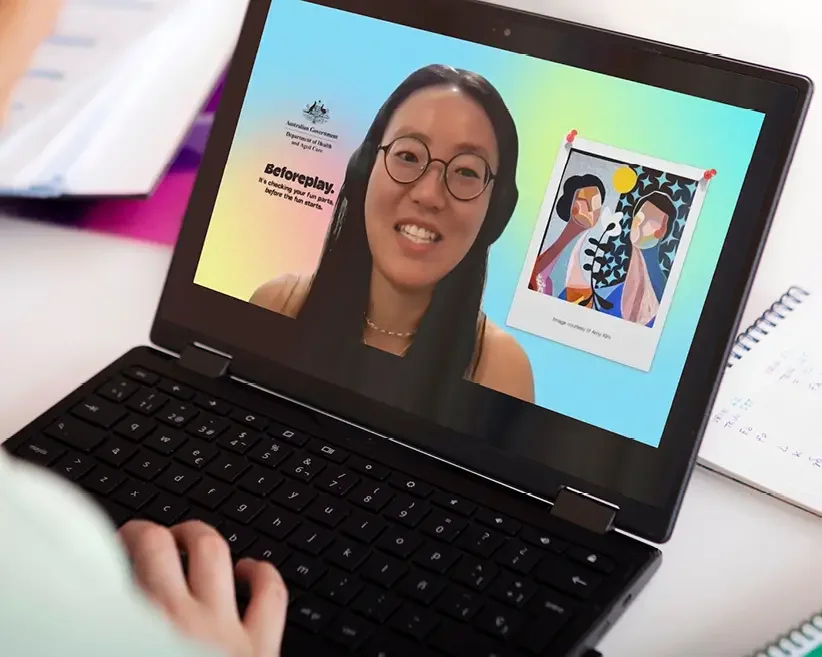
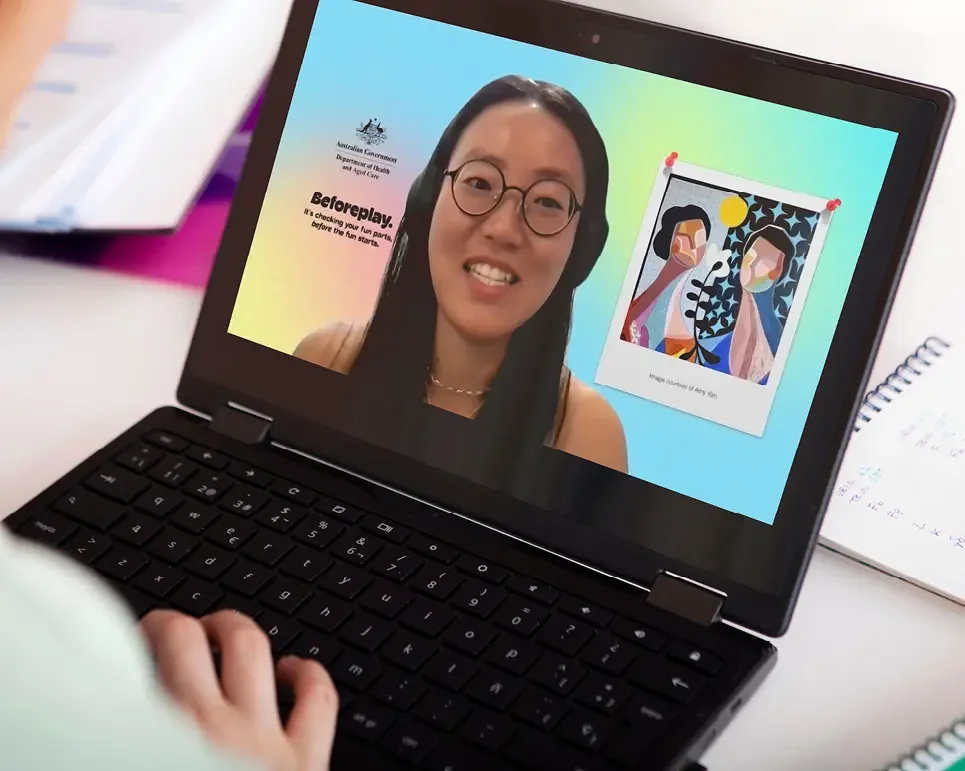
Cultural Perspectives conducted youth collective vox pops across four events and used the findings to inform a campaign webinar, which featured six diverse speakers covering STI awareness, myth-busting and communication strategies.
Key outcomes
12 multicultural media articles published with an estimated reach of 4.35 million.
Culturally tailored radio content delivered through community broadcasters targeting CALD youth audiences.
Testimonial video on STI testing produced in four languages (English, Thai, Vietnamese and Mandarin).
STI fact sheet developed for LGBTQIA+, rural and remote communities and people with disabilities.
AGMC-led information session for transgender and gender diverse CALD individuals.
155 CALD youth engaged through vox pops across four events, capturing community insights on sexual health.
Webinar attracted 244 registrations and 114 attendees, with a diverse panel of lived-experience speakers.
Digital outreach campaign reached CALD audiences aged 18–35, achieving over 2,500 clicks and a 17% click-through rate.
Related projects