Inclusive design in action: real-world examples from multicultural campaigns
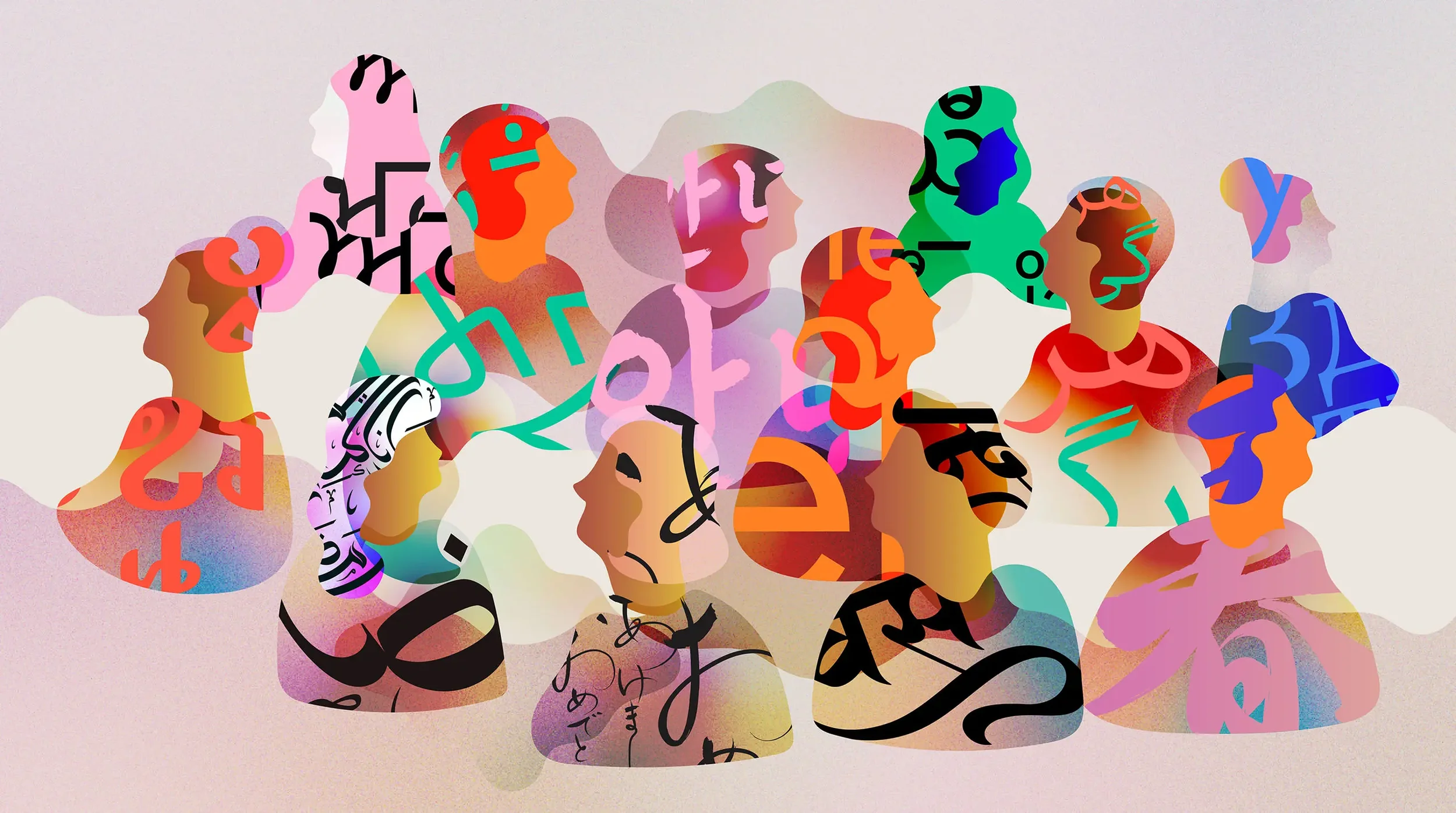
Inclusive design sits at the heart of effective multicultural communication.
When done well, inclusive design removes barriers, strengthens trust and makes information usable for the people it’s intended to serve. In a country as diverse as Australia, it can also subtly and profoundly shape belonging.
The 2022–23 Inclusion Compass report shows Australia remains only partially inclusive. That reality makes inclusion a national task for governments, service providers and organisations. Inclusive design is one of the most practical, human-centred ways to meet that responsibility. It engages people through the complexity of their identities and turns communication into something accurate, respectful and actionable.
Across Cultural Perspectives’ campaigns, inclusive design has helped shift attitudes, rebuild confidence and support meaningful participation for Culturally and Linguistically Diverse (CALD) communities. The following examples show what this looks like in practice.
MiAccess campaign: raising awareness through accessible design
MiAccess is a website developed to help CALD communities better understand disability and the NDIS. These are areas often complicated by misinformation, language barriers and a lack of accessible resources. The site offers content in 15 languages, with additional resources in 66 more, making it one of the most comprehensive multicultural disability platforms in Australia.
To support the launch and ongoing awareness of MiAccess, Cultural Perspectives created a campaign made up of a series of inclusive touchpoints:
Virtual reality experiences – Immersive stories that take users into the everyday lives of CALD people living with disability, enabling them to observe inclusion in action.
Social Model of Disability multilingual video series – In-language videos featuring CALD people advocating for the Social Model of Disability as a framework for representing their lived experiences accurately.
MiAccess Image Library – A free library of authentic stock photography addressing the longstanding lack of representation of CALD people living with disability in Australian imagery.
Together, these touchpoints improved community understanding, increased access to credible information and set a new benchmark for inclusive disability communication.
One Talk at a Time campaign: culturally safe communication on a sensitive issue
Child sexual abuse is a heavily stigmatised topic, and culturally-safe tools for discussing it are rare. The One Talk at a Time campaign addressed this gap by creating a clear, gentle and culturally-informed pathway for adults to begin conversations with children in their care.
The campaign centred on one hero piece, supported by accessible formats:
My superhero voice – A community-informed children’s book written by Yvonne Sewankambo and illustrated by Nea Valdivia. Co-developed with CALD communities, it helps adults recognise signs of abuse, talk with children about safety and respond when a child discloses harm.
Translation, printing and national distribution – Physical copies were printed and distributed to ensure access for communities with low English proficiency, low digital literacy or unreliable internet, giving families a dignified way to receive information.
Recorded author readings – A recorded sit-down reading enhanced with in-language voiceovers, captions, alternate cuts and multilingual support resources made the material easier to follow for a wide range of audiences.
This campaign demonstrates how inclusive design can support delicate, high-stakes communication while respecting cultural nuance and community needs.
2025 Federal Election campaign: inclusive educational material for multicultural voters
The 2025 Federal Election CALD campaign helped multicultural voters participate confidently and correctly in Australia’s democratic process. Many communities face barriers related to language, literacy and misinformation and these directly affect enrolment, formality and trust. Cultural Perspectives addressed these barriers with clear, culturally-appropriate and accessible information tailored to CALD audiences.
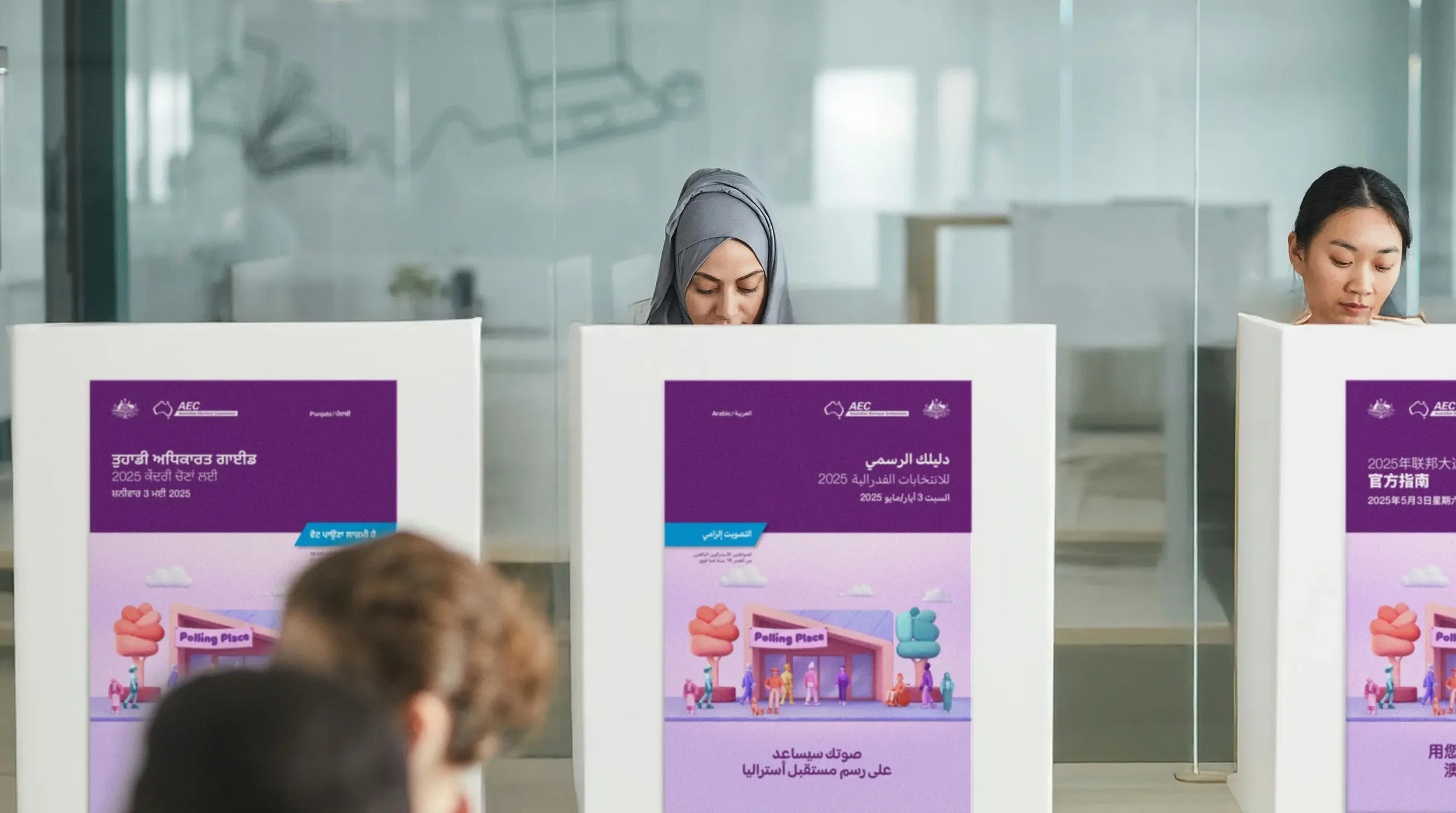
Above: Cultural Perspectives developed a suite of multilingual resources for the 2025 Federal Election
Strategic approach - The campaign delivered phase-specific, in-language messages to communities with historically high rates of informal voting. Its flexible, rapid rollout ensured accurate information reached voters as key electoral milestones approached.
Advertising and communications - Messaging and visuals were adapted for cultural relevance, accessibility and neutrality, supporting clarity across all channels and preventing misunderstanding or cultural friction.
Public relations and community engagement - Cultural Perspectives strengthened the AEC’s presence within multicultural communities through structured media outreach, bilingual spokesperson support and direct engagement with CALD media and community organisations.
Resource development - A comprehensive suite of in-language materials ensured voters could access accurate information in the formats and languages that worked best for them.
This campaign shows how inclusive design can translate complex civic processes into clear, culturally-attuned information that empowers voters to participate with confidence.
The impact of inclusive design
Inclusive design expands access, strengthens trust and removes barriers. It ensures messages reach the people they’re meant to serve and supports communication that reflects lived realities rather than assumptions.
These campaigns demonstrate the value of inclusive design across disability support, child safety and democratic participation. Together, they show that thoughtful, culturally-attuned design can foster belonging and make communication not just clearer, but genuinely useful.
Follow us on LinkedIn to learn more about what inclusive design looks like in practice.