Why culture matters in Australian mental health campaigns
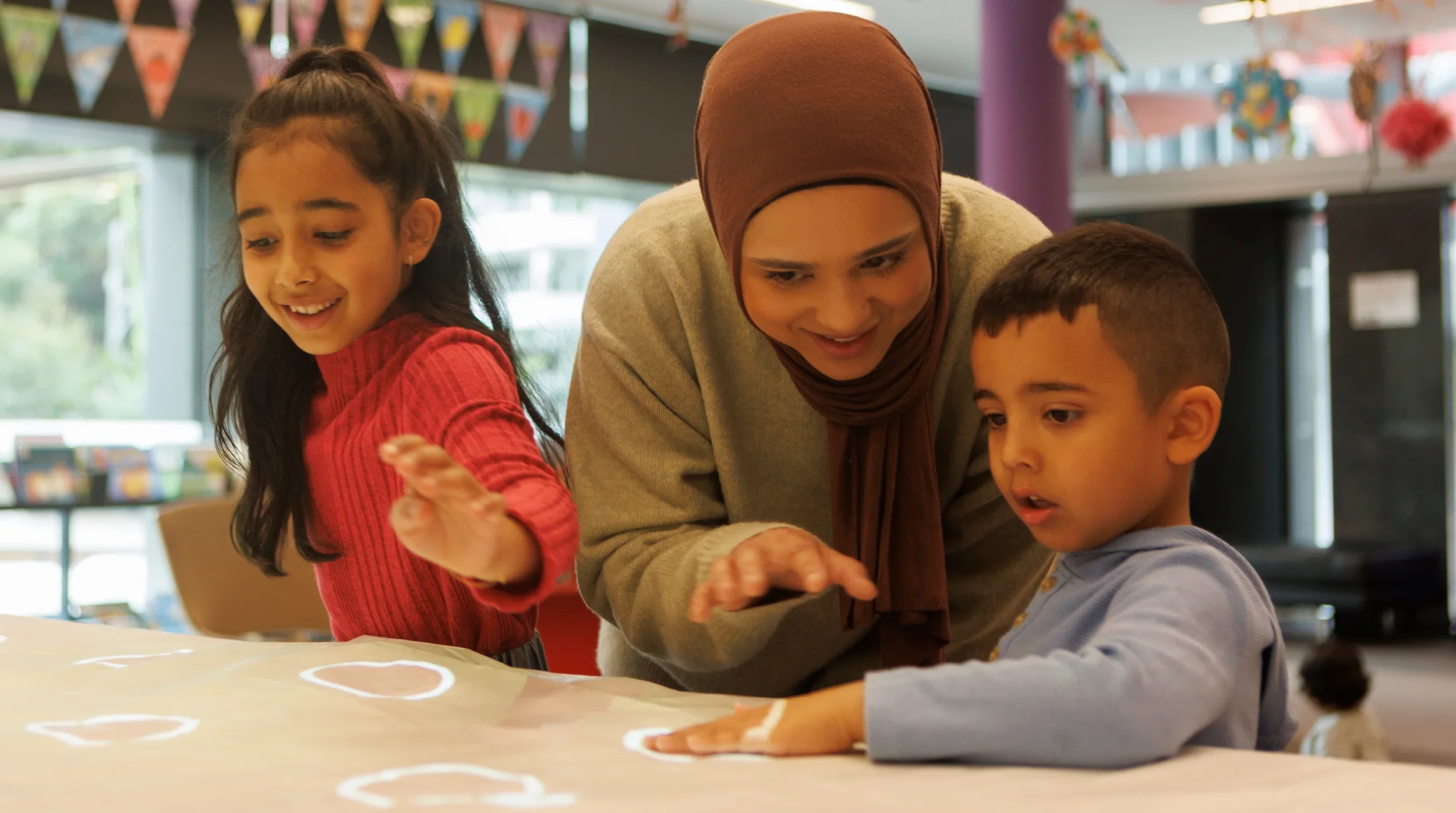
Image courtesy of the MiAccess image library.
The past week marked two significant dates for families across Australia, with the World Maternal Mental Health Day on May 6 and Mother’s Day on May 10. These days, while being a time for celebration, also serve as a vital reminder to prioritise maternal wellbeing, reduce stigma around mental health and support greater access to healthcare systems.
In Australia, where over 30% of the population is born overseas, mental health care requirements are not the same for all. To successfully support all families, it is important to understand their unique needs and how their culture shapes their lives.
Understanding the barriers
Cultural Perspectives have worked with R U OK? over a number of years to strengthen their engagement and communication with multicultural communities. Through research and consultations, we identified several barriers to accessing mental health services for multicultural communities:
Cultural beliefs: While cultural beliefs can be a great source of strength, there may also be prevailing stigma around mental health or seeking support in some communities.
Challenges in settlement: Moving to a new country is often a big life transition. The pressure of fitting into the country’s norms, combined with cost-of-living challenges and missing extended family, can all increase the risk of anxiety and depression.
Low awareness: Many people are unaware of the importance of mental health checks and specific multicultural mental health services available in Australia. Instead, they tend to reach out to informal support networks, like family, friends and community leaders.
Creating a safe space for conversation
Our research shows that when we talk about mental health with multicultural communities, the way we communicate the messages is just as important as the message itself. It is important to recognise the barriers and create a safe, non-judgmental space built on trust and connections so that people can feel comfortable starting conversations and seeking support.
Our research also found several important considerations when discussing mental health with multicultural communities:
In-language care and culturally informed mental health practitioners are valued but difficult to access. (Check out our work with Cox Inall Ridgeway and the Department of Health, Disability and Ageing, focusing on enhancing the visibility of CALD professionals in mental health careers)
Community is important in building trust, as people are more likely to trust familiar faces and voices.
People are more willing to engage in conversations in initiatives that bring direct support to the community.
Recommendations
To deliver culturally informed mental health content, here are some recommendations:
Partner with community organisations to ensure cultural relevance and appropriateness.
Design bespoke resources to meet community needs.
Build narratives via audio visual resource formats such as animation to complement content-heavy written resources which support understanding across all literacy levels.
Conclusion
Every mother’s journey is influenced by her heritage, language and community. We believe that mental health campaigns must start by understanding these lived experiences. When we build campaigns on a foundation of trust and cultural understanding, we move closer to people feeling comfortable to seek support when they need it.
Follow Cultural Perspectives on LinkedIn to stay up to date with our latest news and insights.