
World Book Day: How multilingual publishing bridges worlds
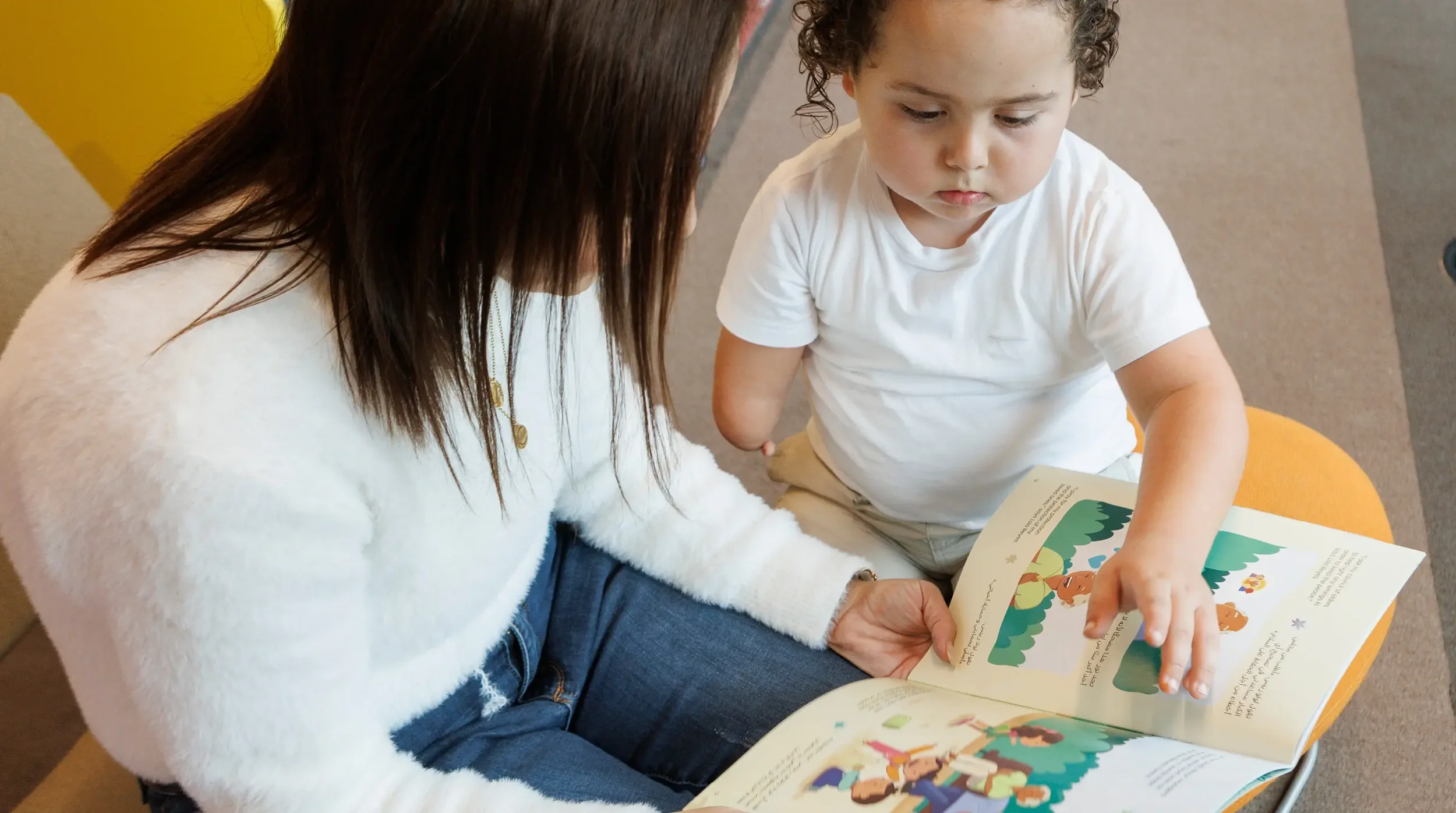
Image courtesy of the MiAccess image library.
A personal review by Gabriel Covarrubias.
World Book Day is a celebration of reading and publishing and a chance to reflect on how books travel across languages, opening new worlds to readers who might not otherwise meet them.
My appreciation for multilingual publishing began while exploring ideas for my master’s thesis. In 2019, as a fine arts and design student in China, I discovered Totomej Intlajtol: La Lengua de los Pájaros (The Language of the Birds) by the Nahua poet Juan Hernández Ramírez in the José Vasconcelos Library in Mexico City.
Reading his poetry in Mexico City sparked a radical idea: merging my training in Chinese calligraphy with the indigenous roots of the Americas. This grew into my thesis, The Songs of Birds 鸟之歌. By translating these poems into English and Simplified Chinese and illustrating them, I saw firsthand how translation carries culture far beyond its place of origin.
Why publishing across languages matters
Books written in one language can feel closed to those who don’t speak it. Translating them into multiple languages expands who can read and relate to them.
Recognising translators: Awards like the International Booker Prize now split prize money equally between authors and translators, acknowledging that stories can only travel if they are carried.
Preserving heritage: Translation is a tool for survival. For endangered Indigenous languages, including Aboriginal languages in Australia, multilingual publishing makes these voices visible to the world.
Translation in practice
Translation is more than swapping words. It takes cultural understanding and careful choices to carry a text's meaning, tone, and intent into another language. Poetry makes this harder because metaphor, wordplay and cultural references rarely transfer neatly.
In Nahuatl, for example, some terms are tied to spiritual beliefs and communal practices, so keeping a word in the original language and supporting it with context can be the most respectful option.
In The Songs of Birds 鸟之歌, I kept the original Nahuatl alongside Spanish, English and Simplified Chinese so readers could follow the meaning while still encountering the original voice.
Type and layout matter here:
Latin scripts require careful attention to spacing, accents and diacritics
Simplified Chinese characters need a different visual balance for clarity and flow.
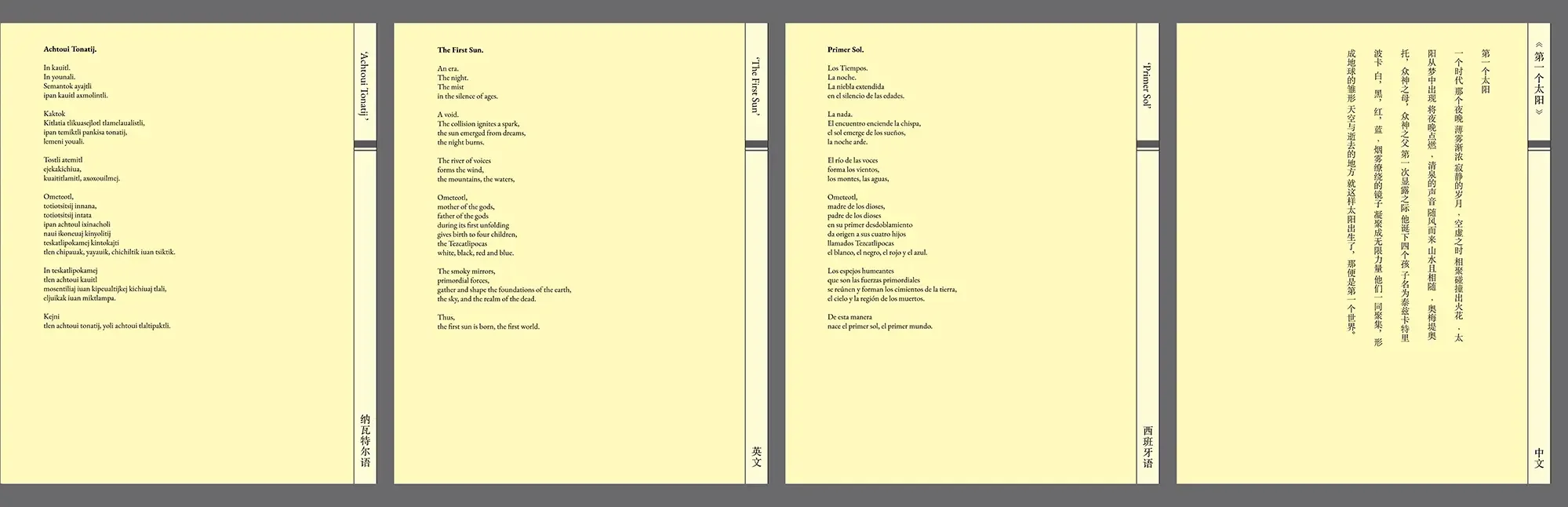
A side-by-side layout allowed each language room to breathe and lets readers notice how meaning shifts across versions without losing the original text's presence.
A multilingual art book project: ‘The Songs of Birds 鸟之歌’
For my master’s project, I selected four of Hernández Ramírez’s poems and interpreted them as art. Each poem explored themes such as creation, the growth of language, the brevity of life and resilience. I translated them into English and Simplified Chinese and wrote each version in calligraphy. Latin script for the Nahuatl, Spanish, English and Simplified Chinese and regular script for the Chinese Calligraphy on long scrolls. Digital illustrations and ink paintings accompanied the texts. The project shows how poetry can cross borders and how design and calligraphy can foster curiosity about unfamiliar scripts.
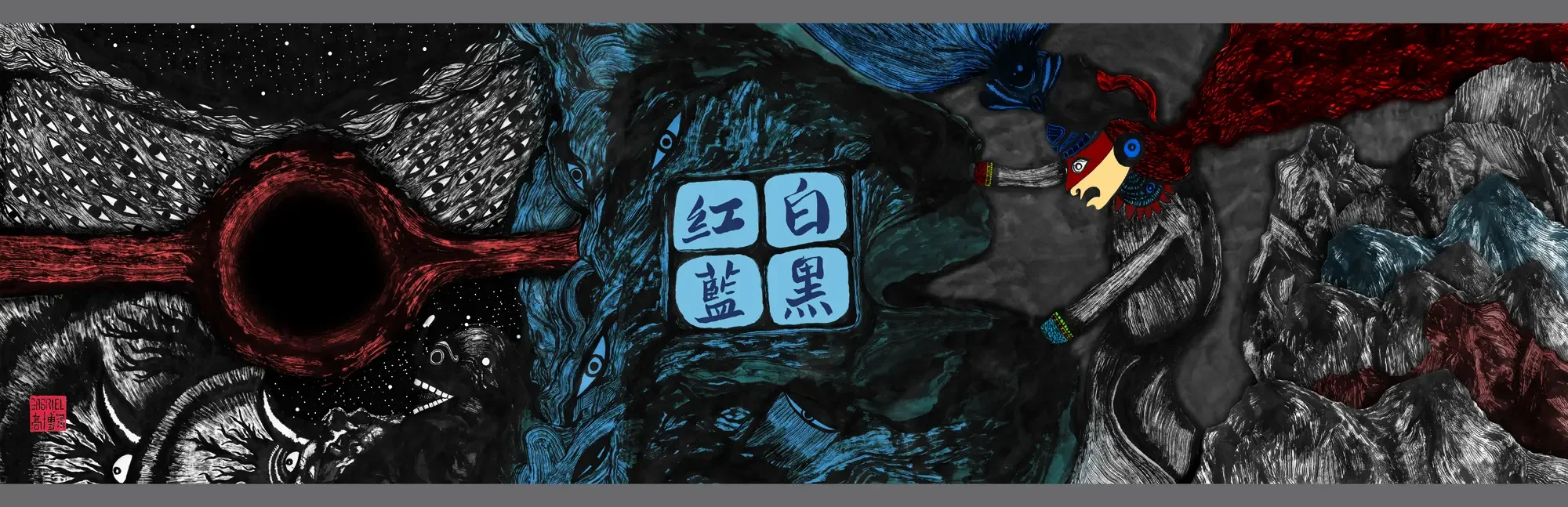
In the image, you can see the design interpretation of the poem, The First Sun 第一个大阳, which draws on a Nahua creation worldview, describing a world emerging through four colours: white, black, red and blue.

In the image you can see the poem, The First Sun 第一个大阳, interpreted in calligraphy.
Books as bridges
Multilingual books are more than gateways; they are bridges that connect people to ideas that transcend language barriers. Publishing in multiple languages requires design choices that respect each language’s unique character. The shape of the words and the layout of the page evoke the culture behind them, while the translation provides access to it. When typography and layout are considered carefully, multilingual publishing becomes an invitation to appreciate different writing systems together.
Now working with Cultural Perspectives, I have seen this philosophy in action through our multilingual resources. An excellent example is the multilingual storybook we developed for the Australian Government’s Child Safety campaign – One talk a time. This project went beyond simple translation:
Inclusive design: We used imagery that helped multicultural audiences feel represented and seen.
Cultural safety: Providing the story in a reader's native language offered a level of comfort and accessibility that English alone could not achieve.
Community resonance: It bridged the gap between complex issues and the families who need that information most.
Celebrating languages on World Book Day
World Book Day is often associated with the joy of reading, but it is also a day to celebrate how books keep languages visible and honour cultural memory. In a world where many languages are endangered, publishing across languages ensures that no voice is left out of the global conversation. By building these bridges, we ensure stories—and safety—reach everyone.
Happy World Book Day!
Follow Cultural Perspectives on LinkedIn to stay up to date with our latest news and insights.