World Health Day: why culture must be part of health communication
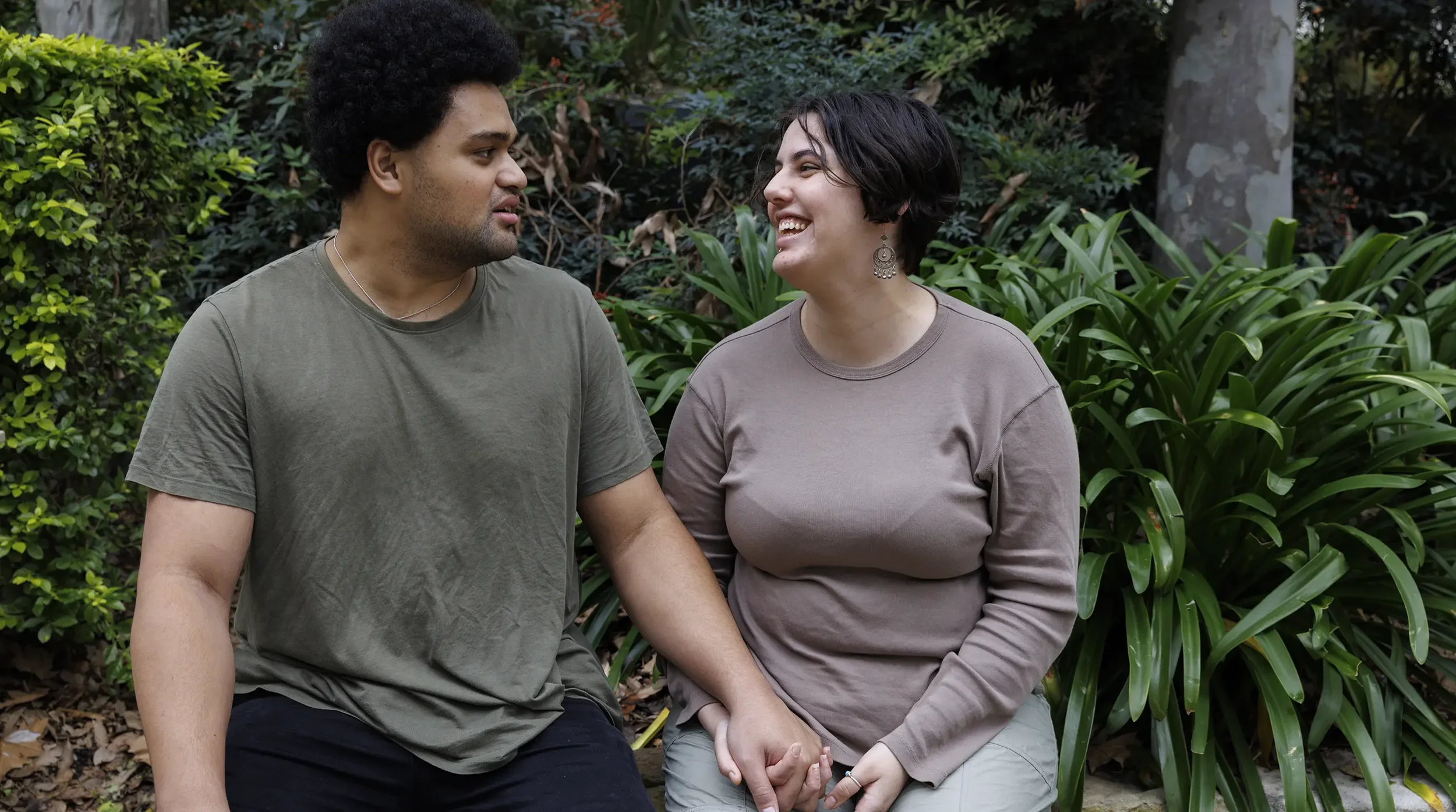
Image courtesy of the MiAccess image library.
World Health Day, held annually on 7 April, is a global moment that focuses attention on key health issues. In 2026, the theme Together for health: Stand with science underscores the need for evidence-based approaches and collaborative efforts. It highlights the need for a more connected view of health across people, communities and systems to improve accessibility.
At its core, World Health Day is a reminder that everyone should have the opportunity to live a healthy life and access the information they need to make informed decisions about their well-being.
In multicultural societies like Australia, this access to health is not only shaped by services or science. It is shaped by how information is understood, trusted and acted on. This directly influences whether communities feel informed, supported and able to access services.
Why do health messages often miss the mark?
Public health campaigns are designed to inform communities and support better health outcomes. However, these messages are often developed with assumptions about language, health literacy and familiarity with the Australian healthcare system.
For multicultural communities, accessing health information can involve additional challenges, including:
language barriers
different cultural understandings of health and illness
limited familiarity with Australia’s healthcare services
varying levels of trust in institutions.
These factors do not mean communities are disengaged. More often, it means the communication approach did not fully consider how people receive and interpret information.
Translation alone is not enough
A common approach in many health campaigns is to develop messaging in English and then translate it into other languages towards the end of the process. While translation is essential, it rarely solves the full communication challenge.
Health messaging is shaped by more than words. Cultural context influences how people:
understand authority
how health information is shared within communities
what motivates behaviour change.
Without this insight, campaigns can struggle to connect with audiences who would benefit most from them.
What does culturally informed communication look like?
Based on our experience of working across a variety of multicultural public health campaigns, including Childhood Immunisation, Youth vaping, Medicare Urgent Care Clinics, STI, Menopause/Perimenopause campaigns, we have identified several patterns that stand out when communication is designed with cultural insight from the beginning.
Communities are involved early: Effective campaigns engage community voices during planning, not only during implementation. This helps ensure messaging reflects real concerns, questions and lived experiences.
Trusted channels are prioritised: For many multicultural communities, trusted sources of information may include community organisations, multicultural media or respected community leaders. Successful campaigns work through these networks rather than relying solely on mainstream channels.
Representation builds trust: People are more likely to engage with health information when they see themselves reflected in the content. Representation across languages, cultures and lived experiences can make communication feel more relevant and credible.
Communication focuses on access: For some communities, understanding how to navigate healthcare services is just as important as the health message itself. Clear explanations of systems, eligibility and processes help people feel confident navigating services.
Why does this matter on World Health Day?
World Health Day highlights the importance of health equity. But access to healthcare is not only about services. It is also about access to clear, trusted and culturally relevant information.
In a diverse society, effective health communication cannot rely on a one-size-fits-all approach. When campaigns are designed with cultural insight, they do more than share information. They build trust, strengthen relationships with communities and support better health outcomes.
Cultural understanding is part of good health communication
Cultural understanding should not be treated as an add-on to a campaign. It should be built into the strategy from the start. Organisations that embed cultural insight into their communication planning are better placed to reach diverse communities and deliver health messages that resonate.
On World Health Day, the reminder is simple. If we are serious about improving health for everyone, communication needs to work for everyone, too.
Learn more about our inclusive work by reading our project case studies and feel free to contact us for any questions or strategy recommendations.